About us
Who you will meet here
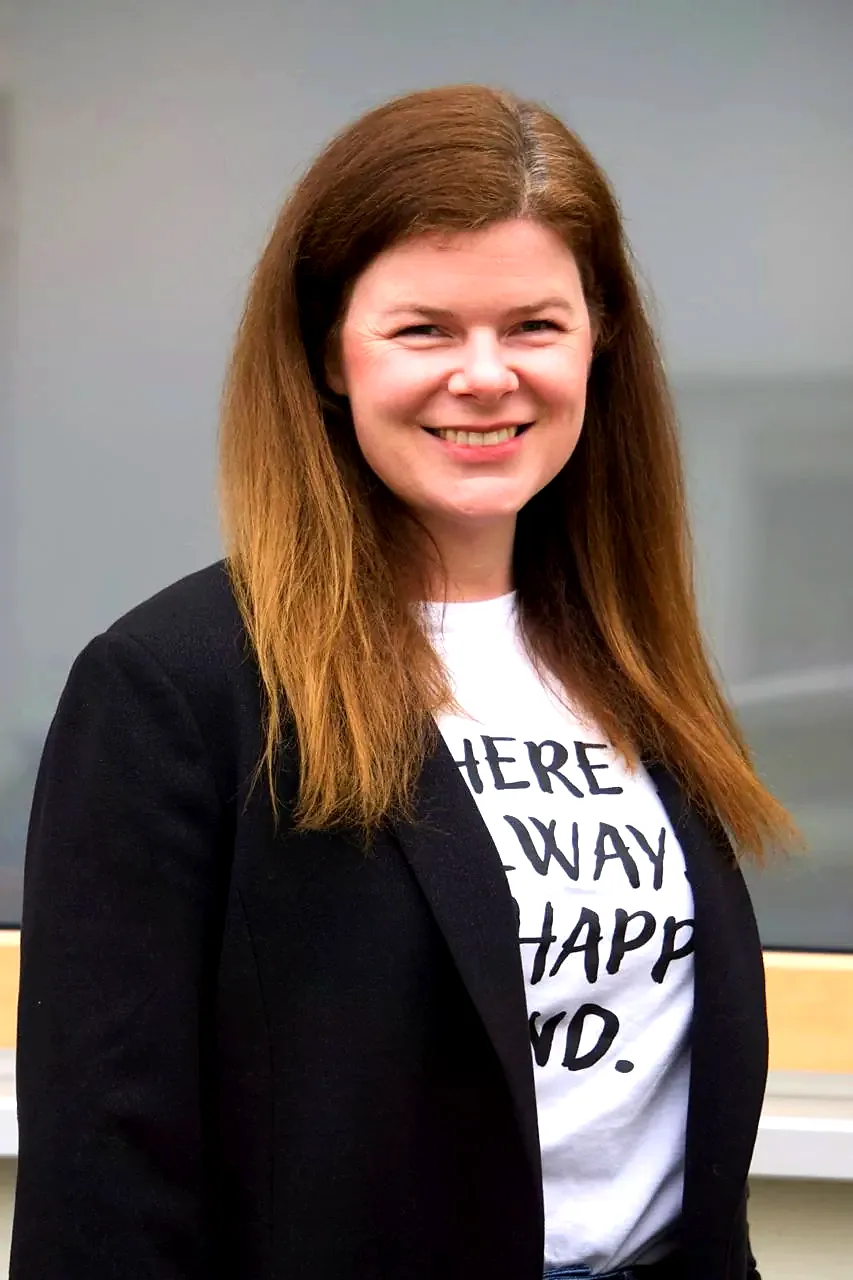
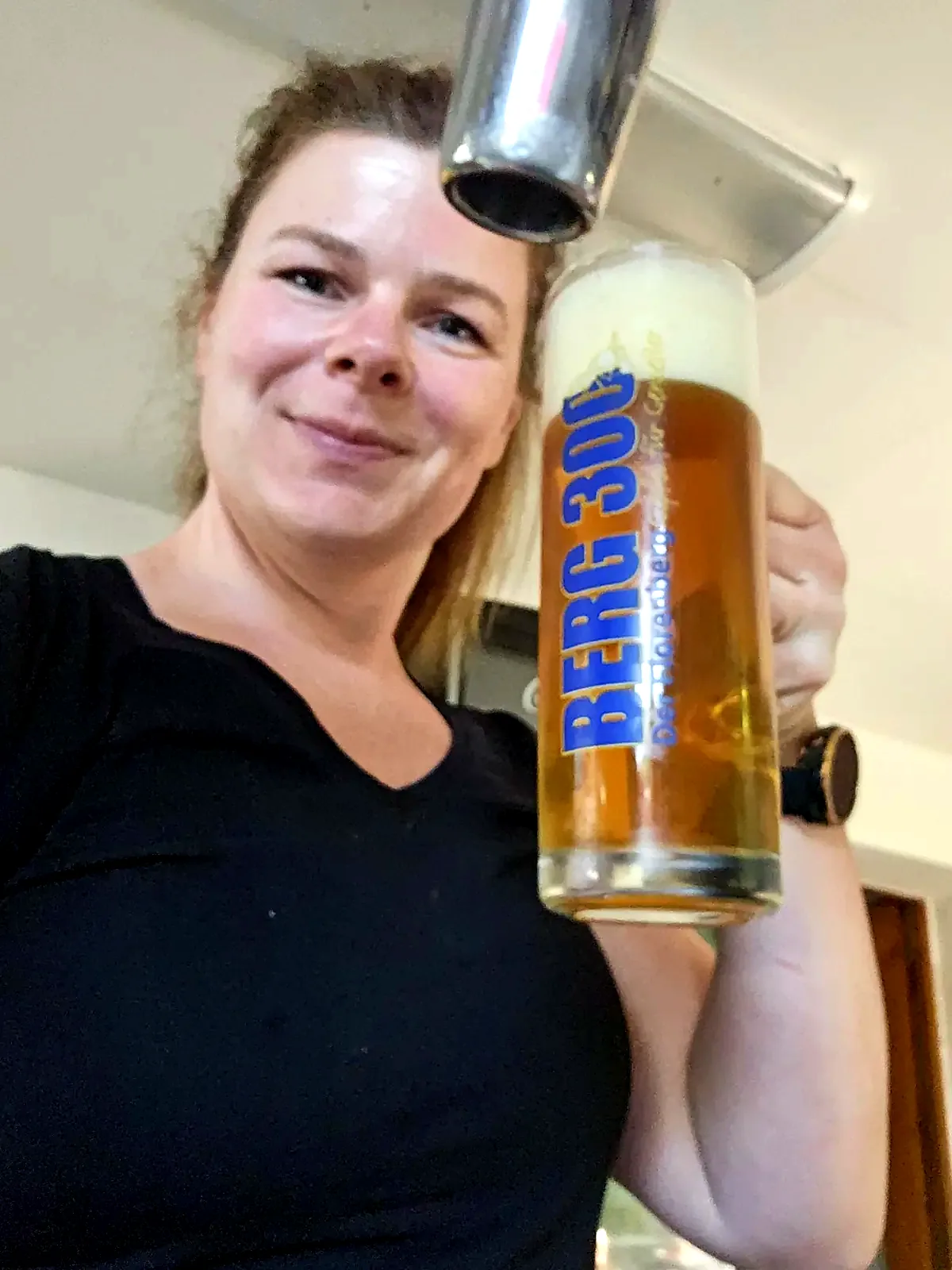
Der Florenberg has been in our family’s hands since 1929. Since 2016, Leonora Frohnapfel has been welcoming you as the fourth generation.
“We stay with our guests for a lifetime”: these words have been passed down in our family for generations. Many families from around Fulda have celebrated a christening with us, later a first communion, a wedding and eventually a milestone birthday. Many guests have grown up with us and have long since become friends.
That’s why we want everyone to feel as if they were among friends. With honest cooking from the Rhön, a team that knows you by name, and a view that alone makes the trip up the hill worthwhile.
Leonora Frohnapfel & the Berg-Team
Who are we?
The Berg-Team
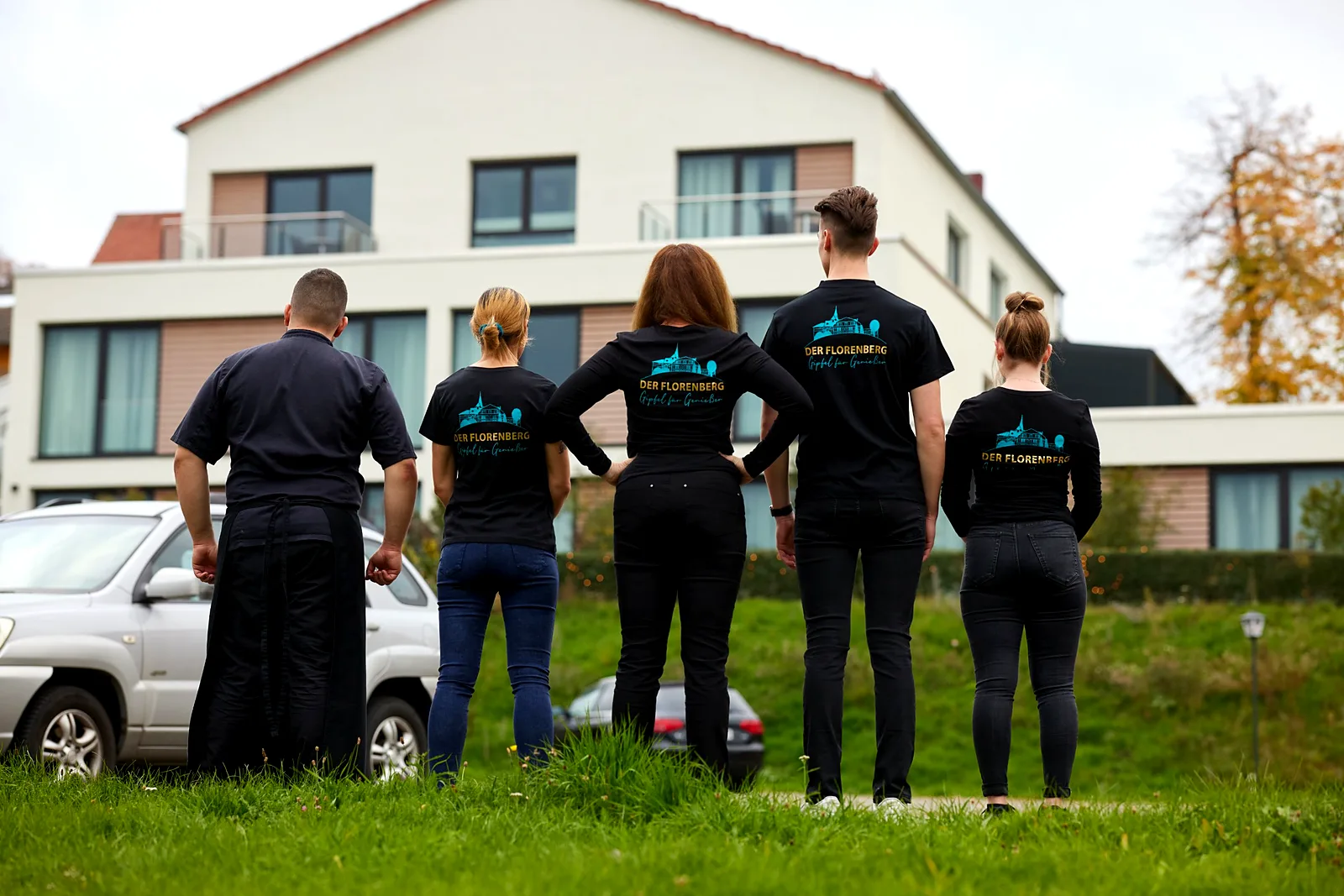
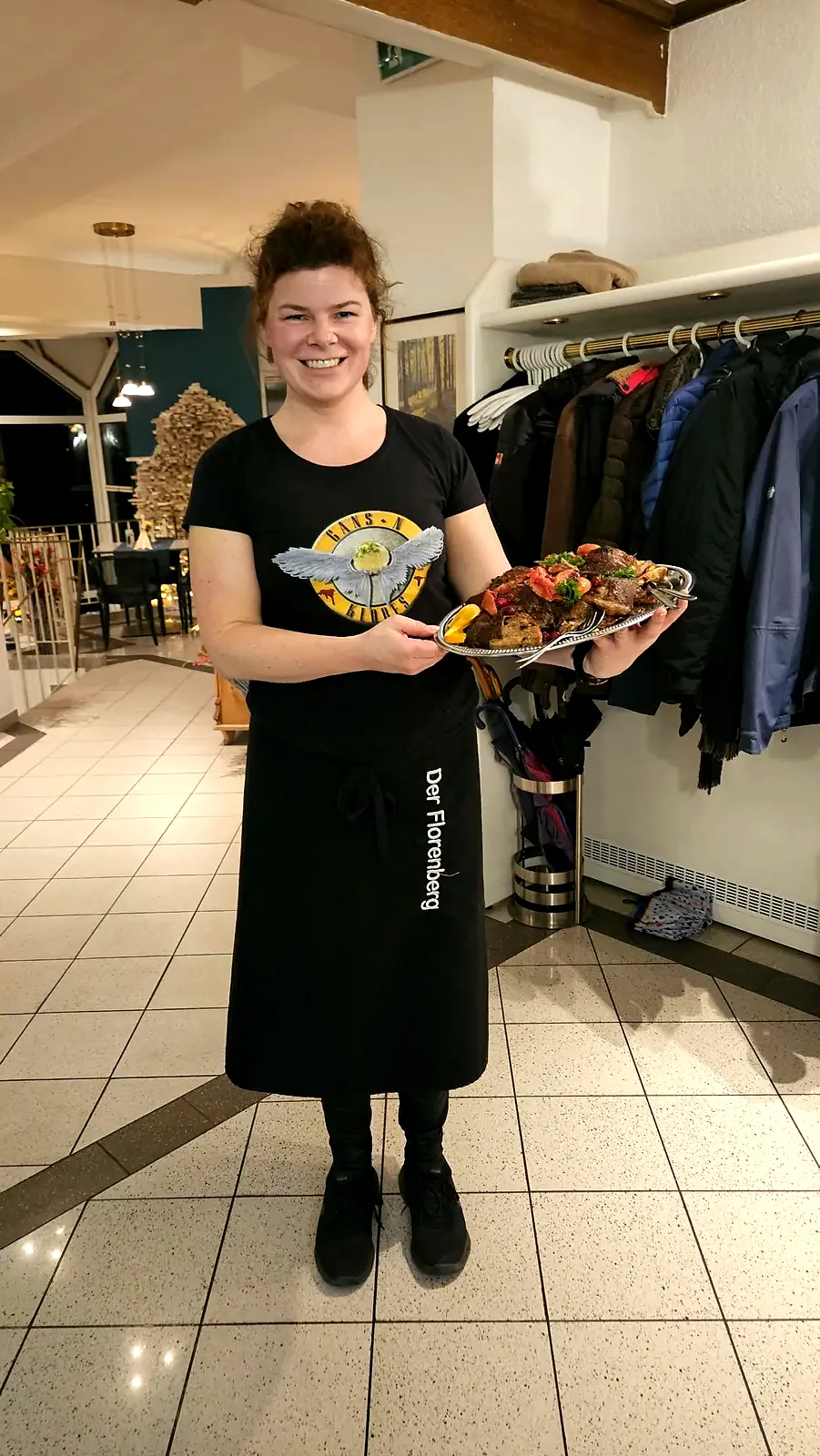
Kitchen, service, reception and, right in the middle of it all, your host: we are a small team who know each other well and whom you can rely on. There’s a good reason “Gipfel für Genießer” – a summit for food lovers – is printed on our backs.
Over 300 years of hospitality
The history of the Florenberg
People have been celebrating on the Florenberg for as long as the church has stood here. There has been an inn of its own for more than 300 years.
915
The fortified church is built
Abbot Huoggi of Fulda has a church built on the hill. It is dedicated to Saint Flora, an early Christian martyr from Córdoba, who gives the Florenberg its name.
1511–1515
Rebuilt with a defensive wall
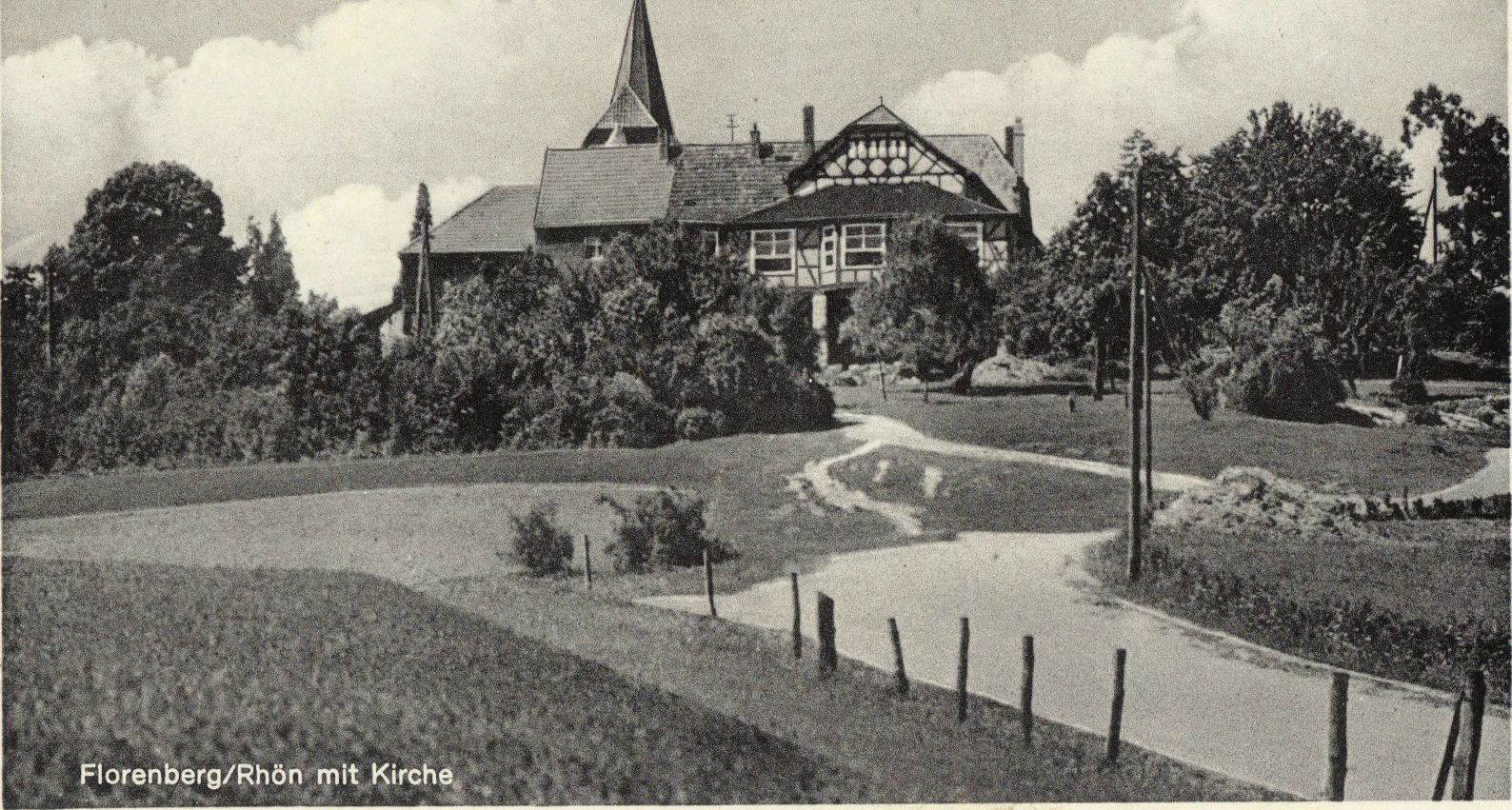
The church is rebuilt and protected by a defensive wall. It still stands like this today, right next to our house.
until 1711
Drinks served in the parsonage
After Mass, the priest sells food and drink on the upper floor of the parsonage, and the parish fair and other festivities are celebrated there too. In the long run, however, the priests cannot keep the serving of drinks under control.
1711
The first inn
Provost Konrad von Mengersen decrees that an inn be built outside the church walls. The first landlord is Johannes Dehler from Keulos. Every year he pays the priest 40 guilders in rent – for decades the priest’s most important income.
1929
The Frohnapfel family comes to the hill
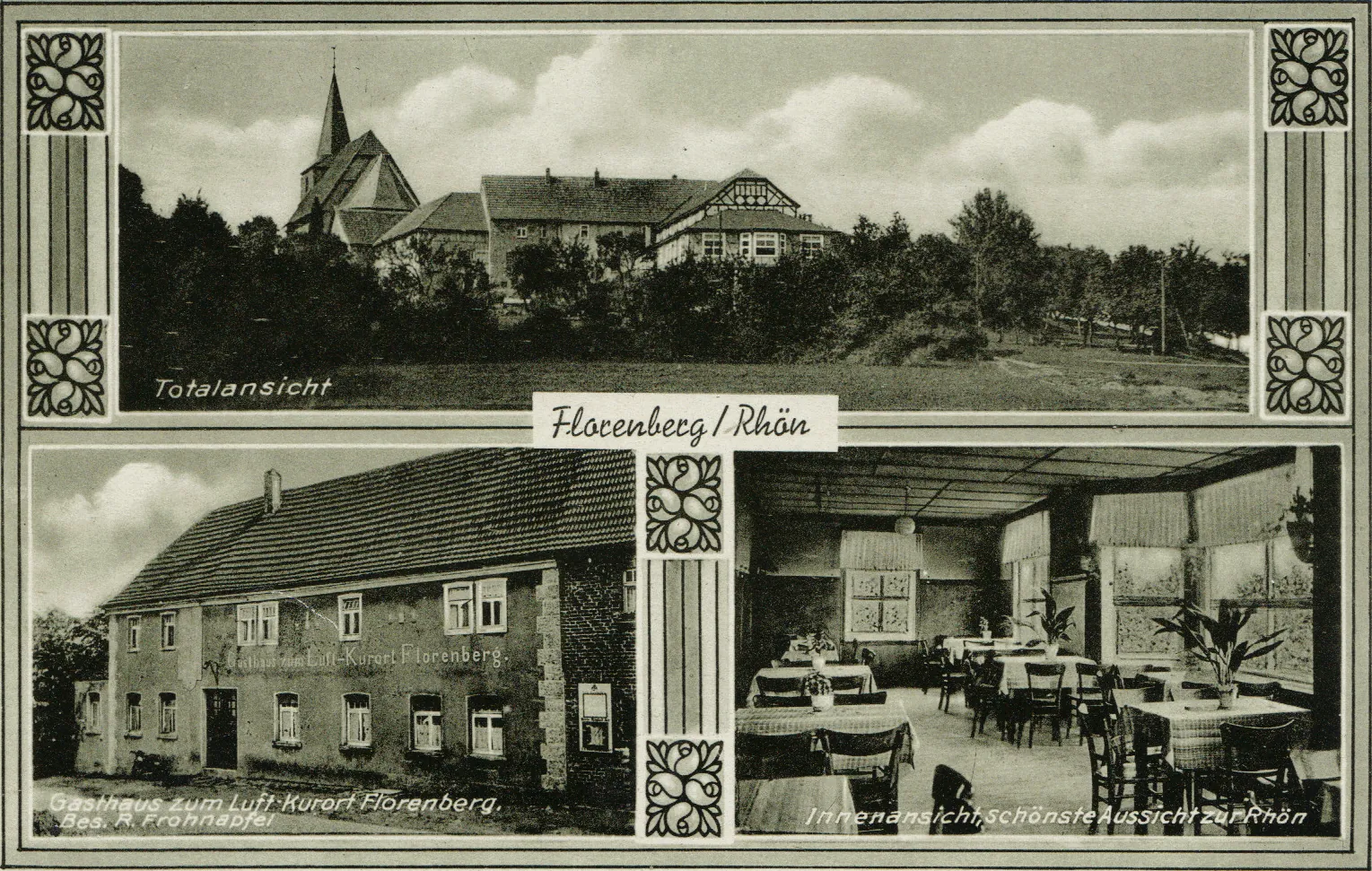
Rochus Frohnapfel, until then a wheelwright in Pilgerzell, buys the property. He moves in with his wife Anna and their children Josef, Frieda and Erich, working as a wheelwright, innkeeper and farmer. The inn is now called “Gasthaus zum Luftkurort Florenberg”.
1939–1945
The war and post-war years
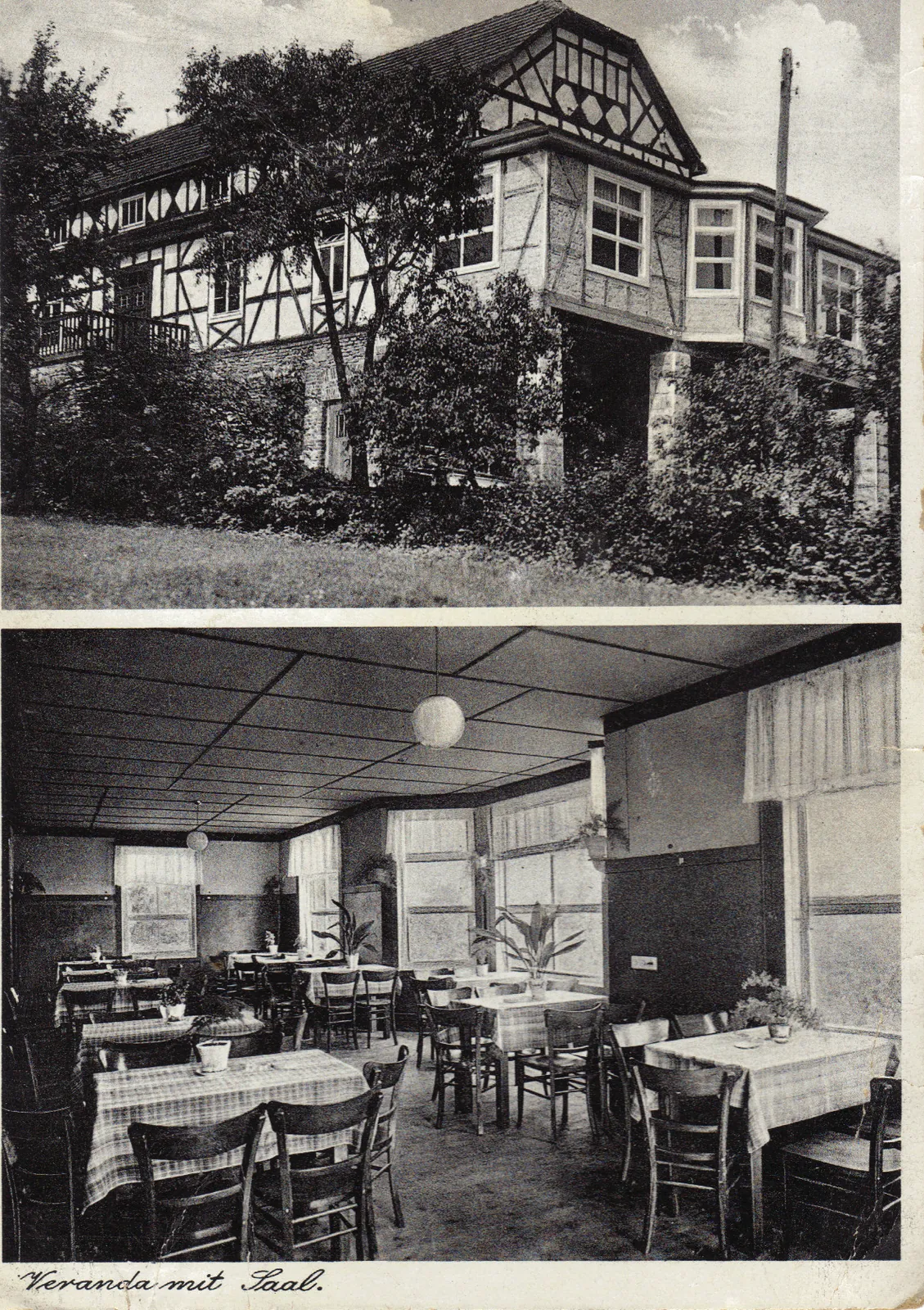
Saal Kilian serves as sleeping quarters for prisoners of war and later for the Americans. Afterwards it becomes famous far and wide for its dances.
1961
The second generation
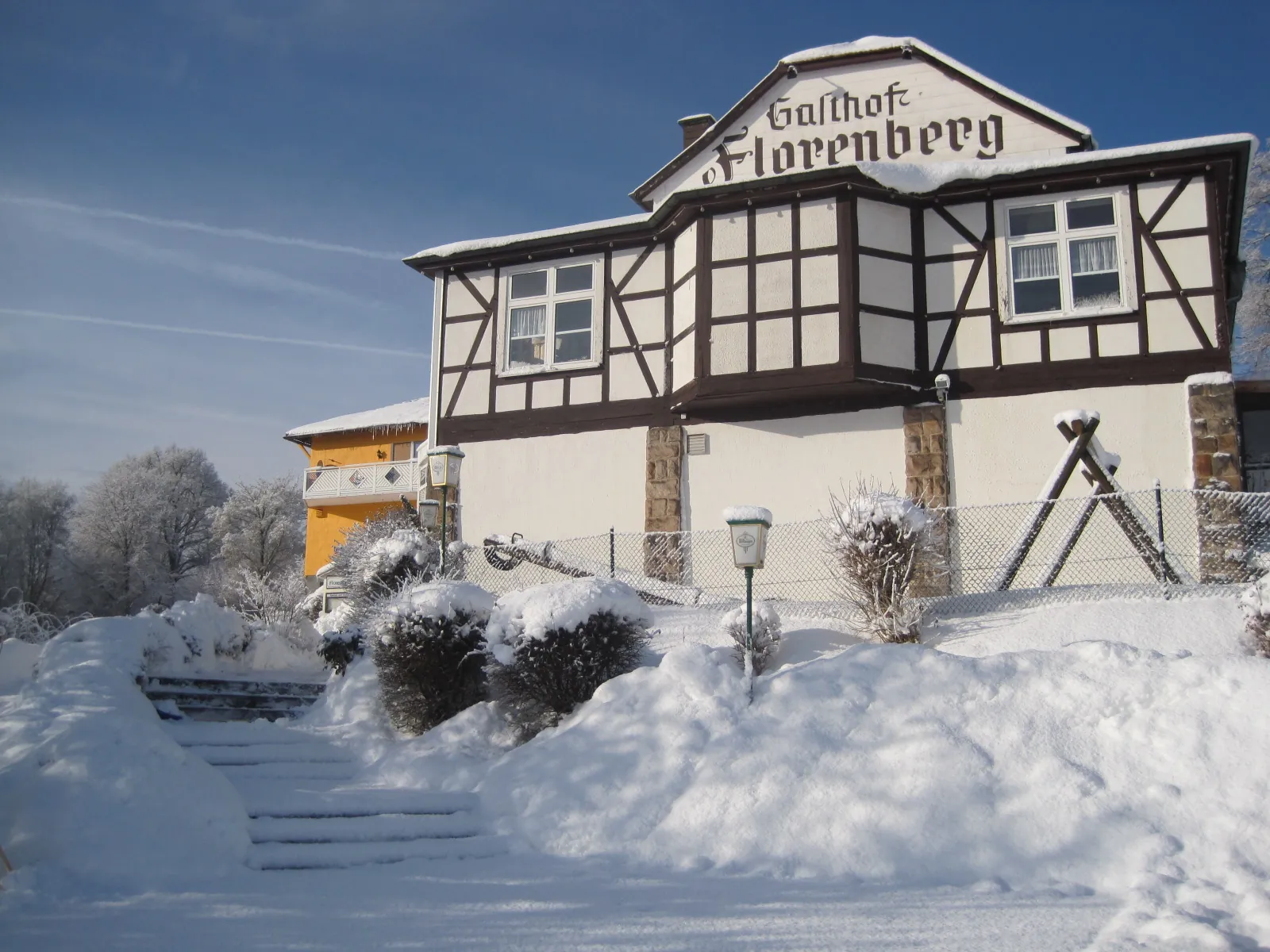
Erich Frohnapfel takes over the inn, which he has run with his mother Anna and his wife Elisabeth since his father’s death in 1948. He is a passionate hunter.
1976
The third generation
Günter Frohnapfel, who grew up on the hill as a child, takes over the business with his wife Angelika. In the same year they add Saal Flora.
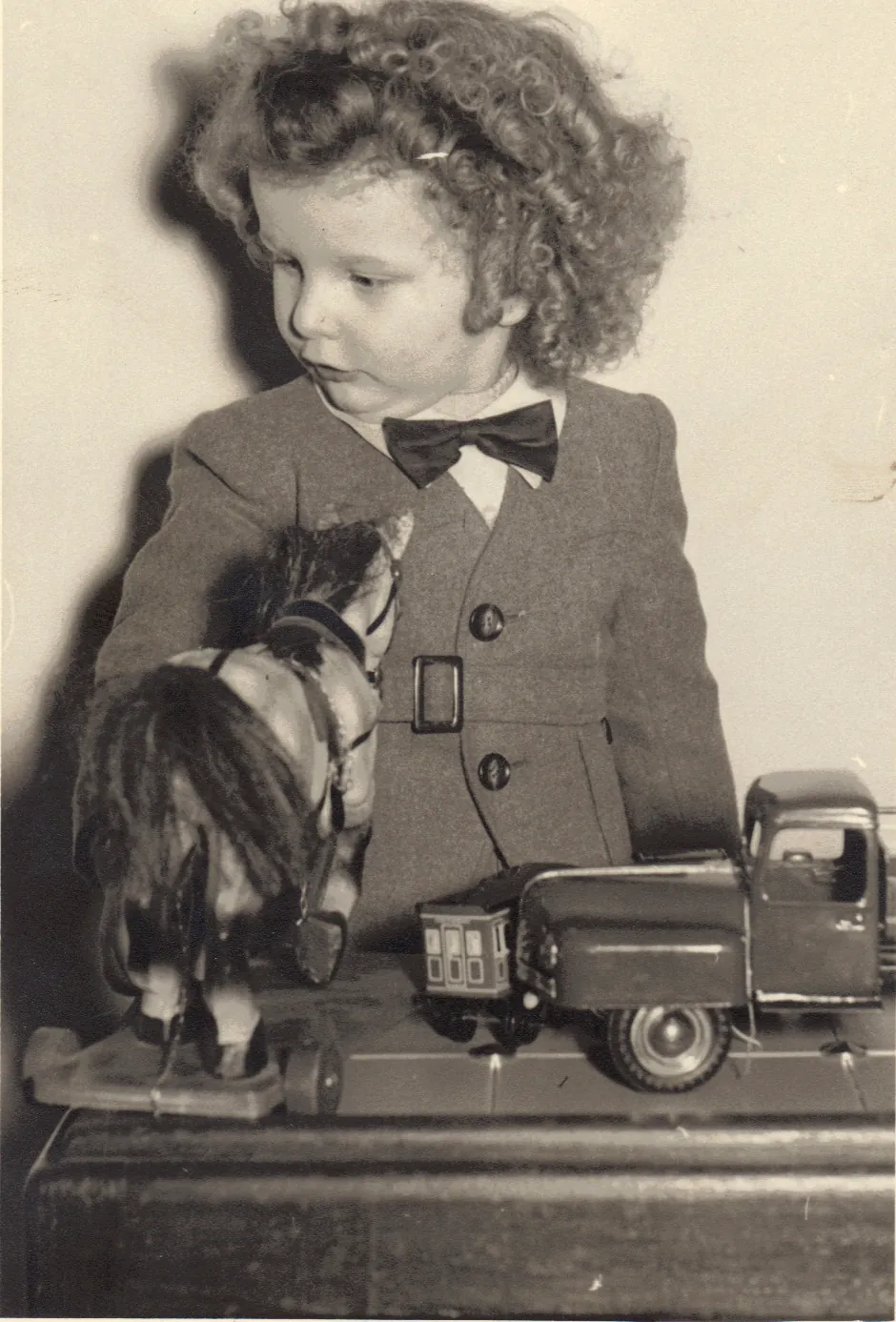
1983
The beer garden
Beneath old lime trees, the beer garden of around 400 square metres is created, with views across the Rhön.
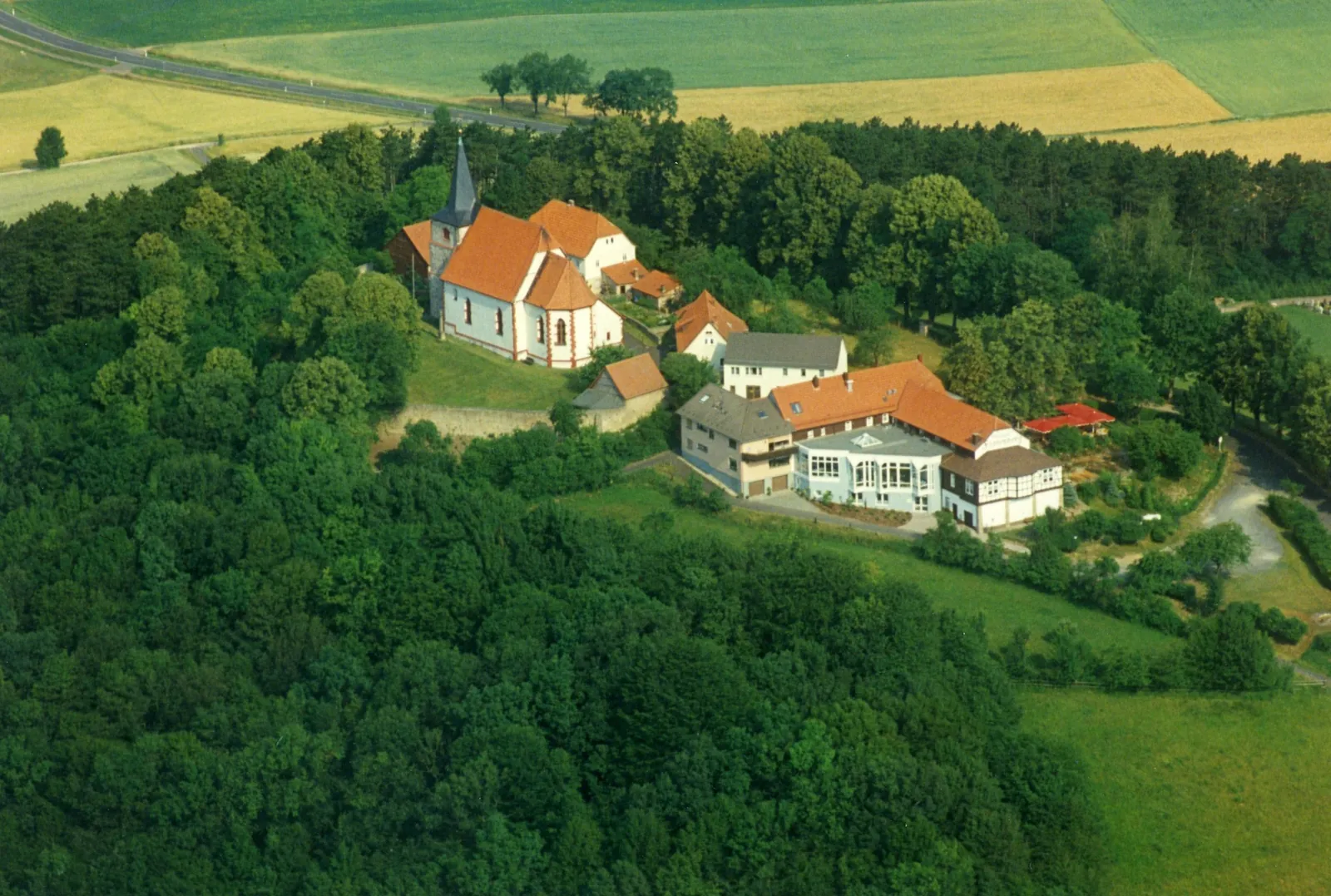
1993
The Wintergarten restaurant
A restaurant with panoramic windows and 60 seats is added.
2011
300 years of hospitality
A festival week with a specially brewed celebration beer, music and a blessing for the house.
2016
The new hotel
A modern extension with 18 double rooms, a lift and walk-in showers is built. Since then, guests have been able to stay overnight on the Florenberg too. In the same year, Leonora Frohnapfel takes over the running of the family business.
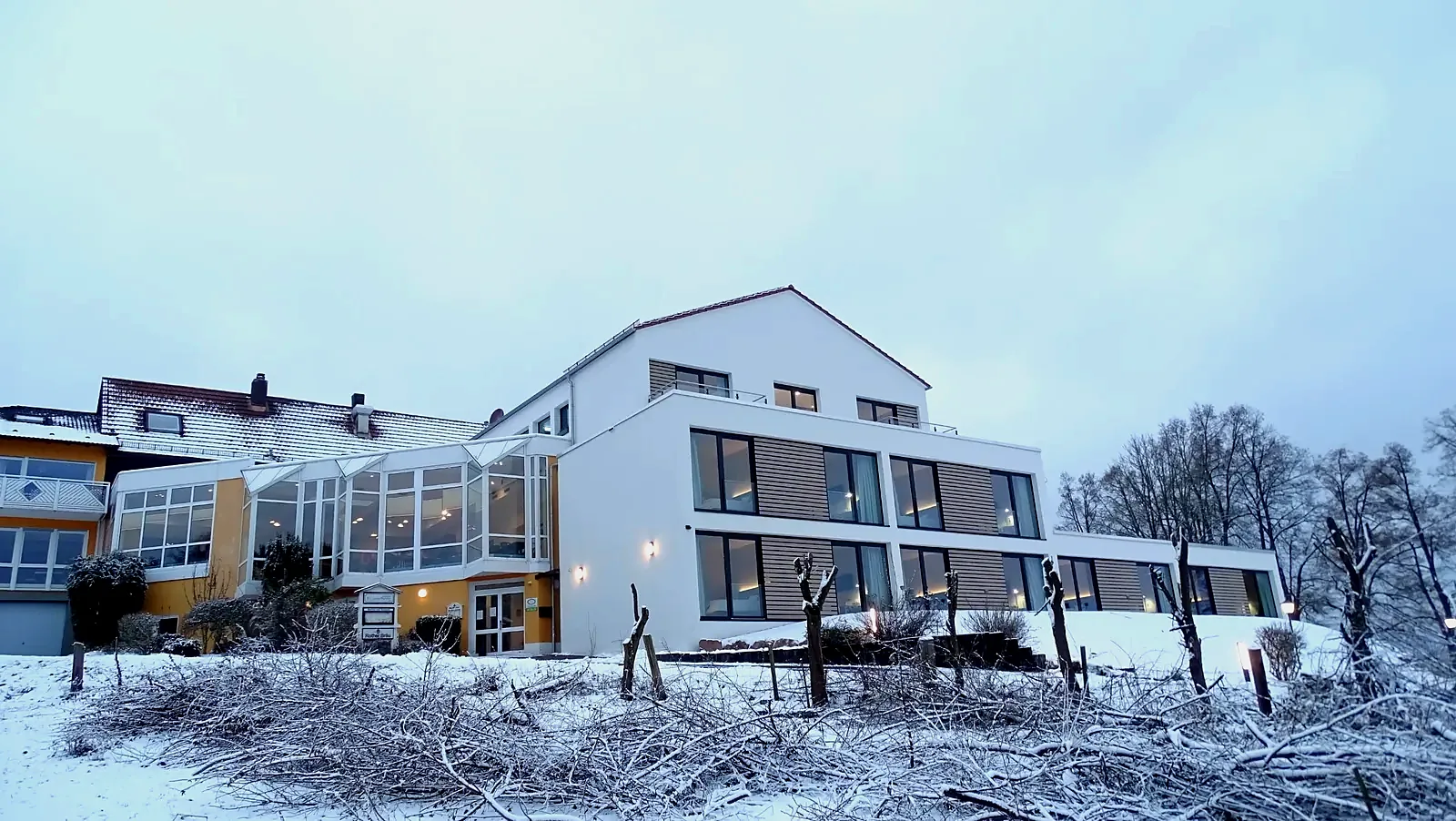
Winter 2020
Getting through the pandemic
During the second lockdown in winter 2020 we had to close again. But we didn’t let it get us down – we baked biscuits decorated with chocolate face masks for our guests.
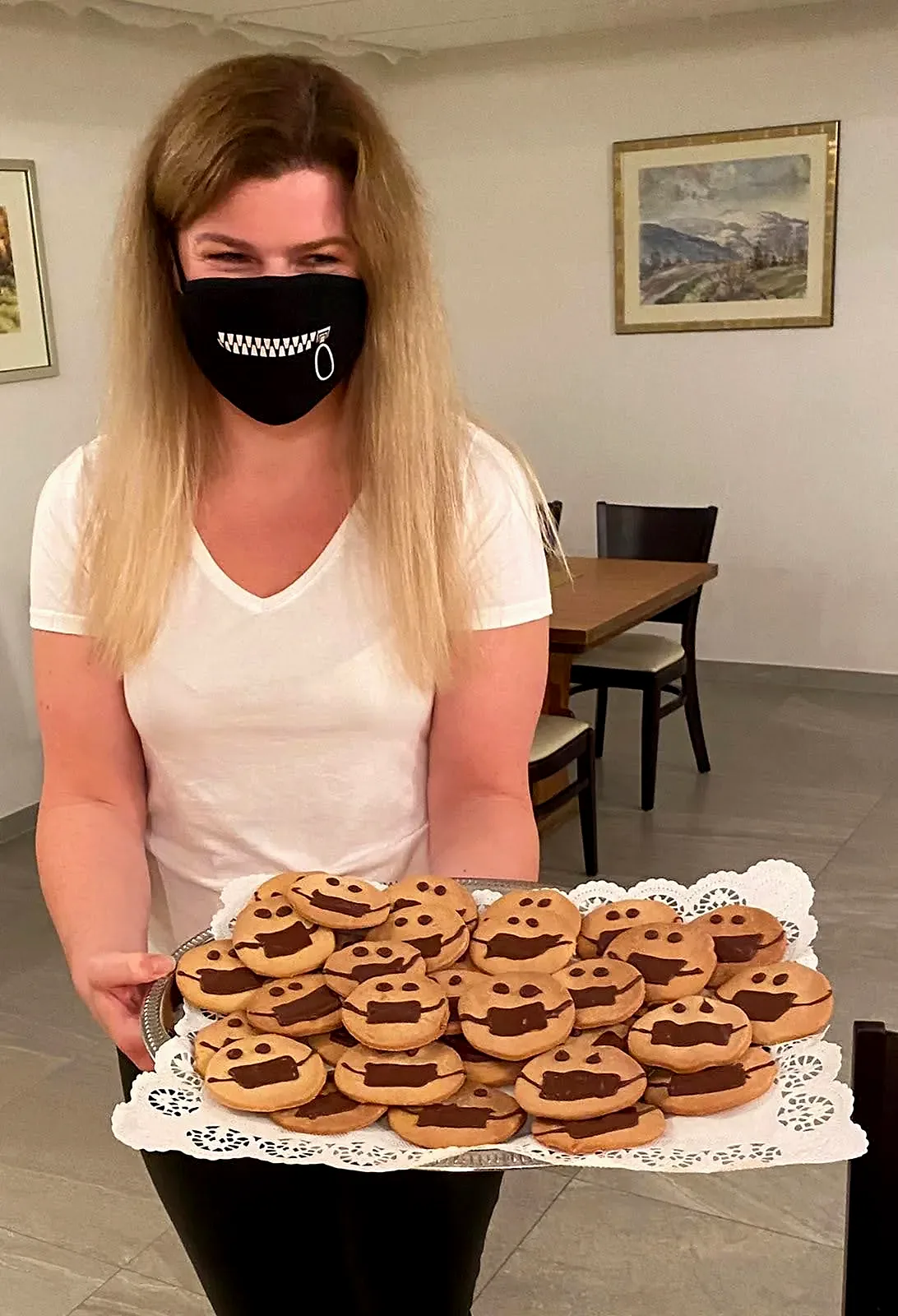
today
The fourth generation
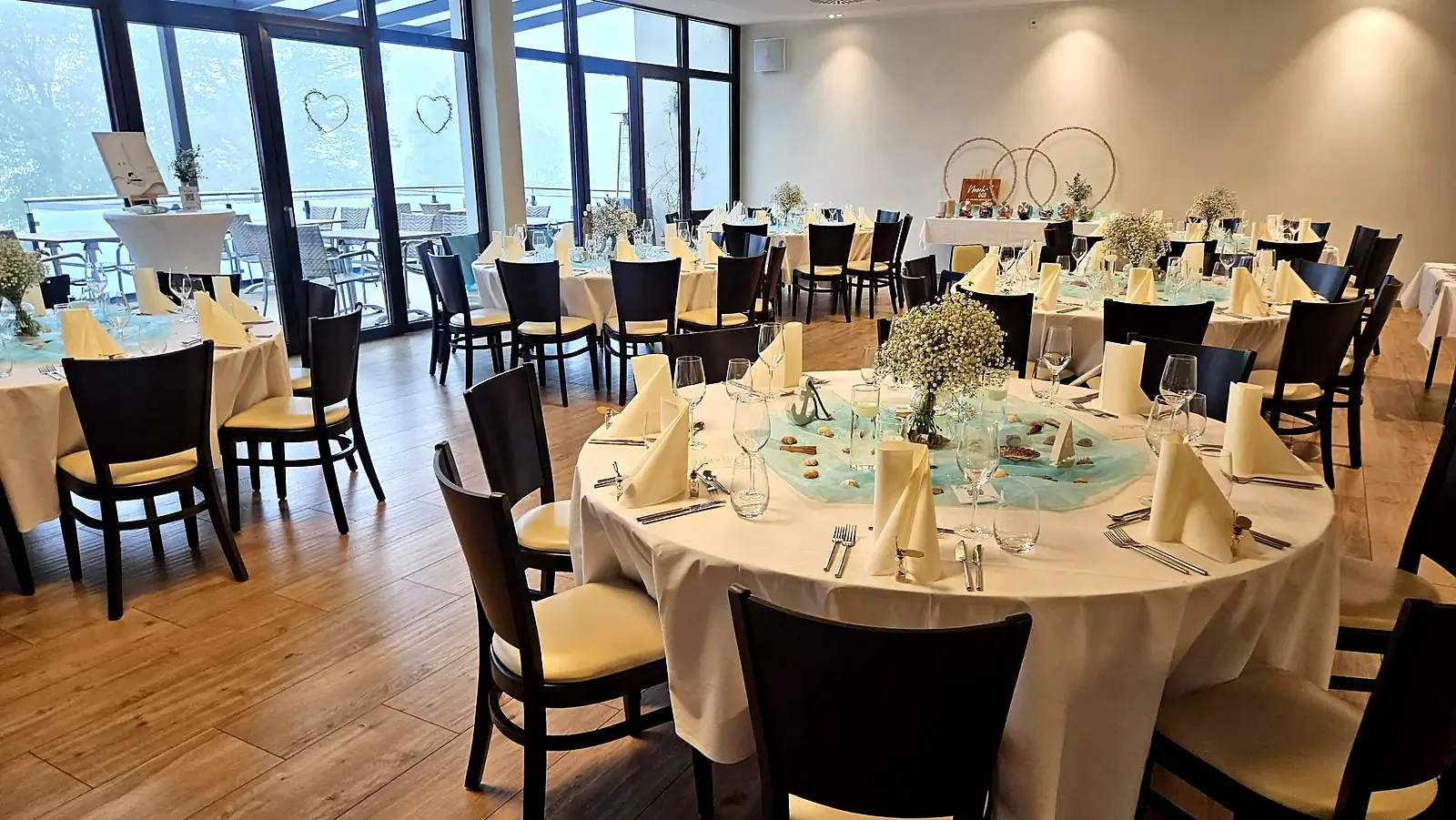
Leonora Frohnapfel runs the Florenberg as a hotel and restaurant with 18 guest rooms, two function rooms and the beer garden. The church still stands right next door.
When I’m not on the hill
Leonora off duty
“I love hospitality. And I find it wonderful when I can help people find a time of peace and relaxation.”
My favourite spot on the hill is the big meadow towards Edelzell. All day long I have the Rhön in front of me. From there I look the other way, over the bustle of Fulda and into the sunset.
Before joining the family business in 2016, I studied political science (B.A.) and media management (M.A.), worked for four years as a PR editor and trained as a restaurant specialist. Musical theatre and drama were part of my life, too. I’m simply interested in lots of things, and that is exactly what helps me every day now: whether I’m planning a wedding or chatting at the bar.
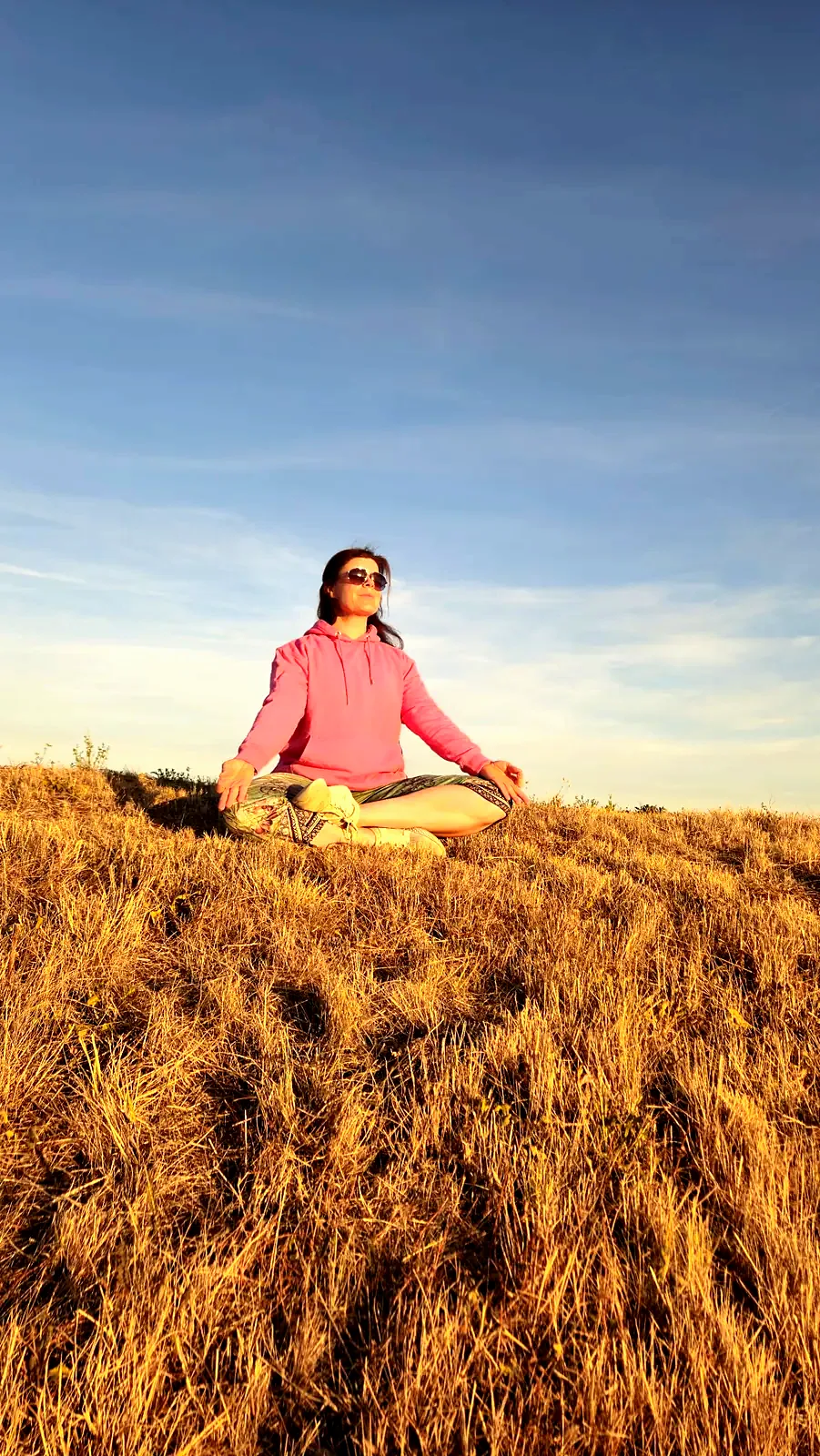
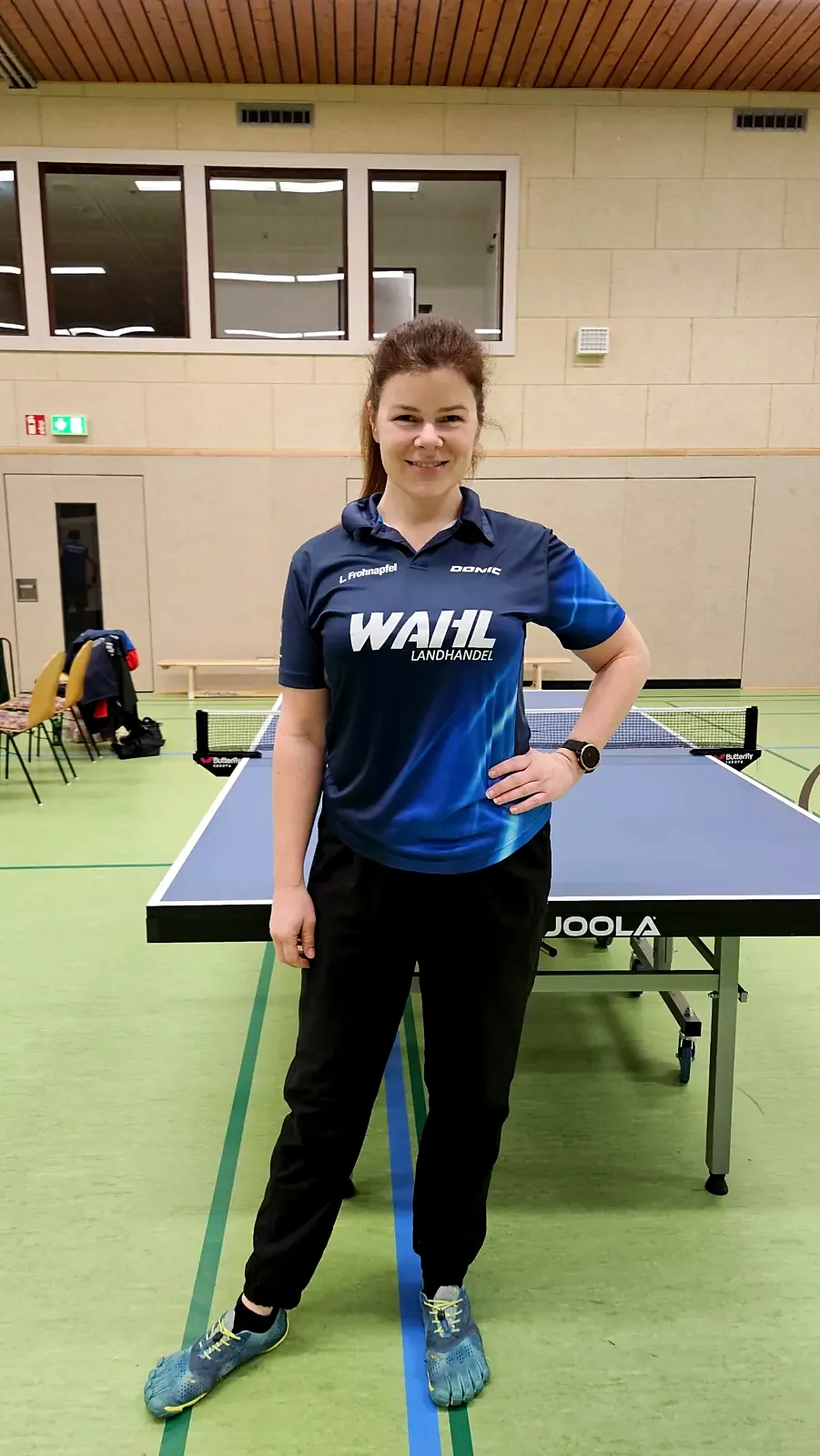
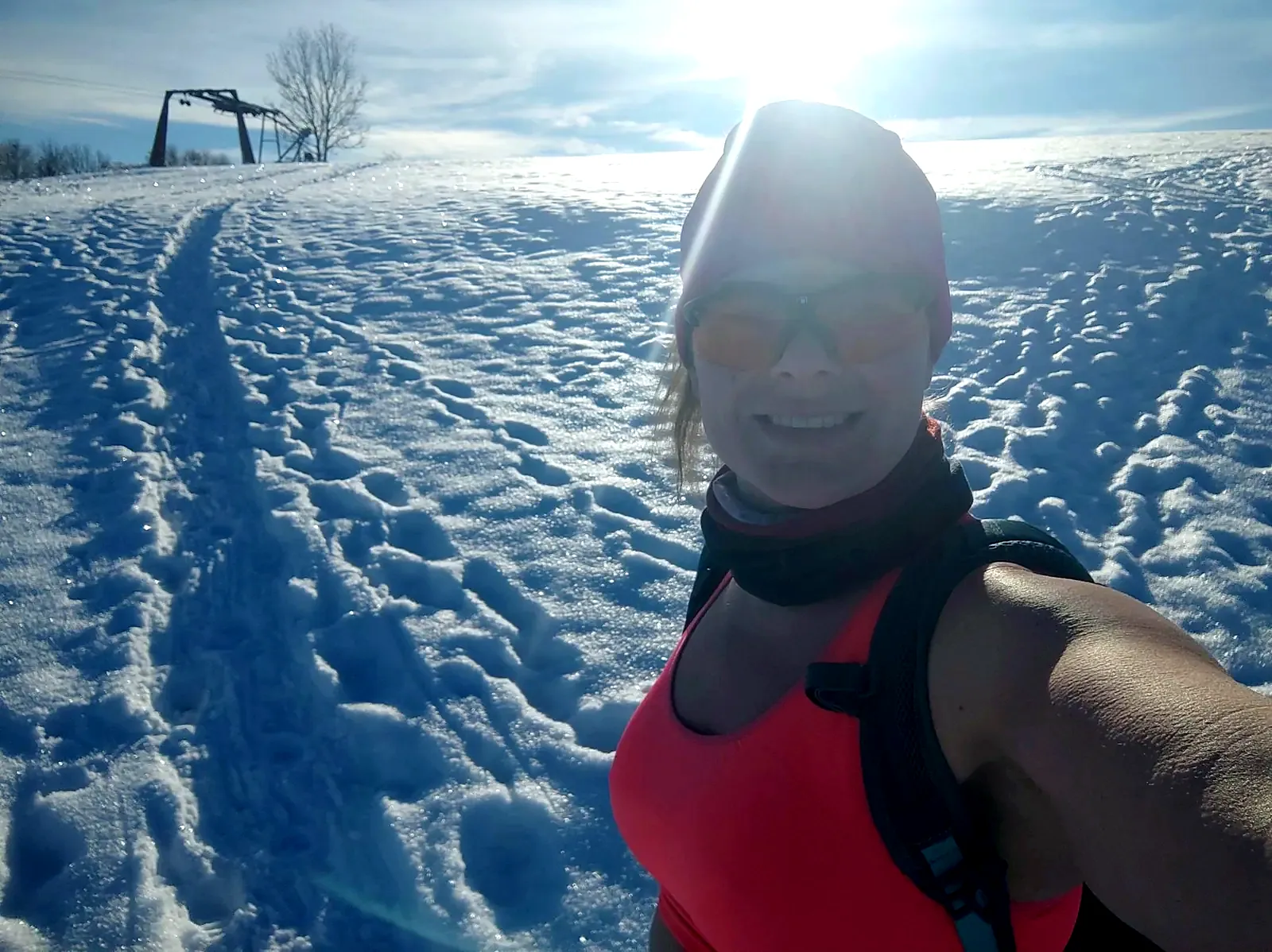
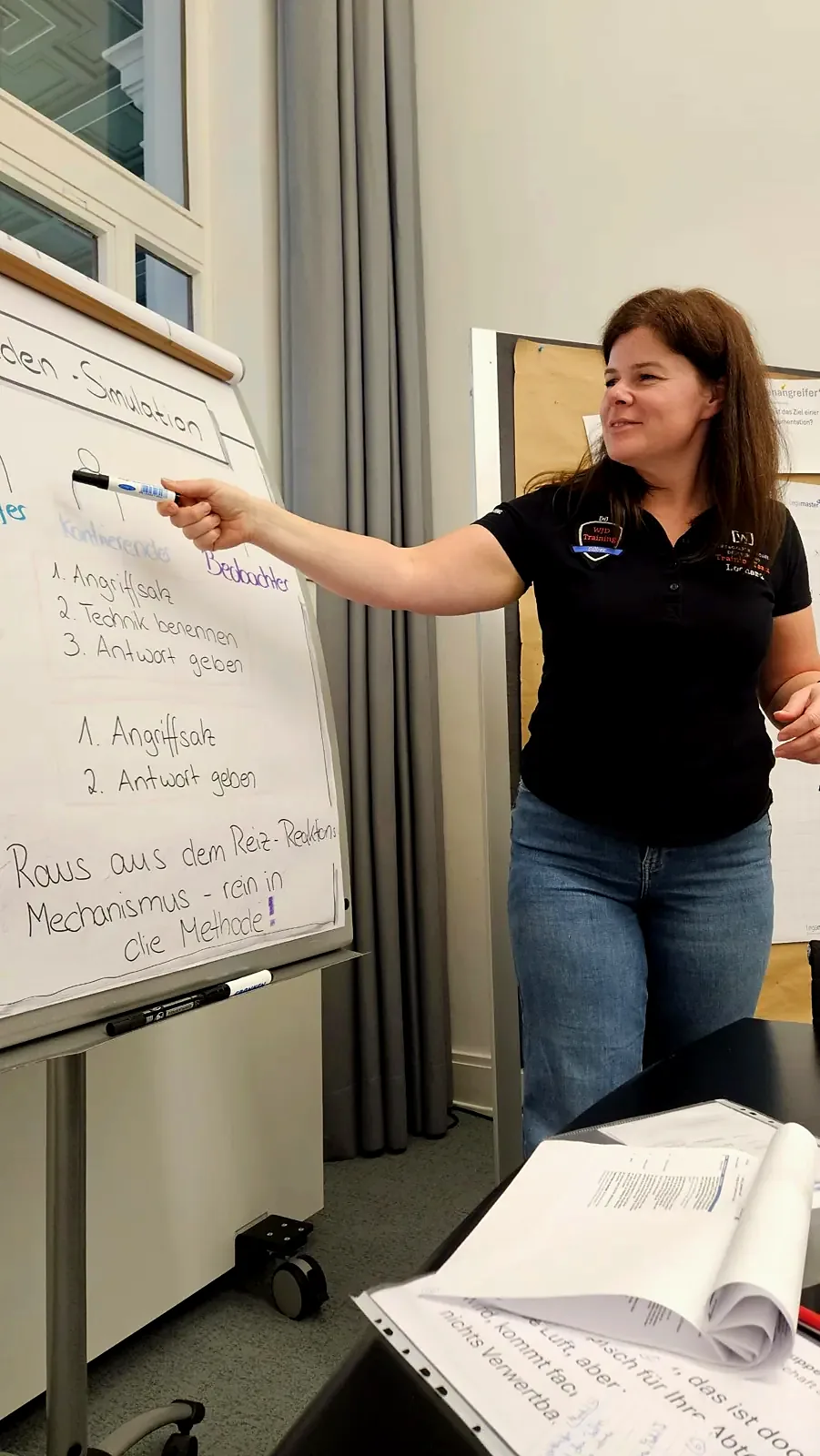
For me, being a host means being right in the thick of things rather than just watching. That goes for after hours, too. Then you’ll find me at the table-tennis table, serving on the state board of the Wirtschaftsjunioren Hessen and, as a volunteer trainer with Wirtschaftsjunioren Deutschland, running seminars on resilience, appreciative communication and leadership. Now and then I’m on stage, doing yoga or hiking through the Rhön, which we see from the hill every day.
Sometimes I say: I’m Superwoman in Disneyland. To me, life is one big playground where you’re allowed to let off steam, and I firmly believe you can achieve anything. Of course, even a princess has to fight against the odds sometimes. Then it’s time to get up, straighten your crown and carry on playing. That’s exactly what I pass on in my seminars, too. Isn’t it fantastic to be whizzing through space on such a green planet at more than 100,000 km/h?
A story we love to tell
The water, the priest and the bath
In the 1950s, a wind turbine still pumped water up the hill. One dry summer, water ran short. So Erich Frohnapfel set off to the parsonage – the priest was in charge of the water – to ask why. The answer: the priest could not be disturbed just now. He was treating himself to a bath.
Then and now
From village inn to hotel with Rhön views